Piercing guides
Helix PIERCING GUIDE
This piercing guide covers everything you need to know about helix piercings including recommended jewellery types, size guides, materials, our most frequently asked helix piercing questions, and styling inspiration.
Quick Helix Piercing Facts
Pain level: Low
Healing time: 6–12 months
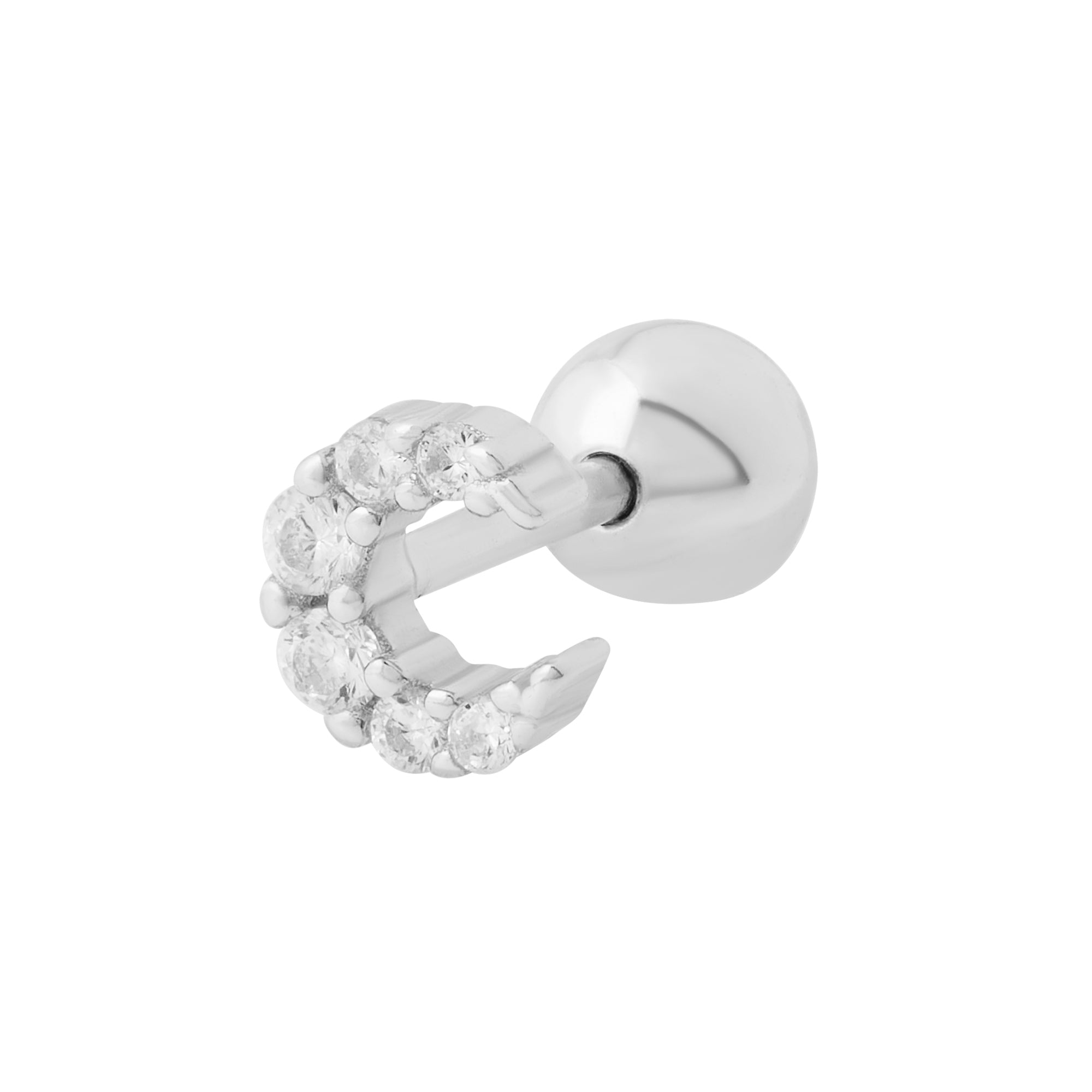
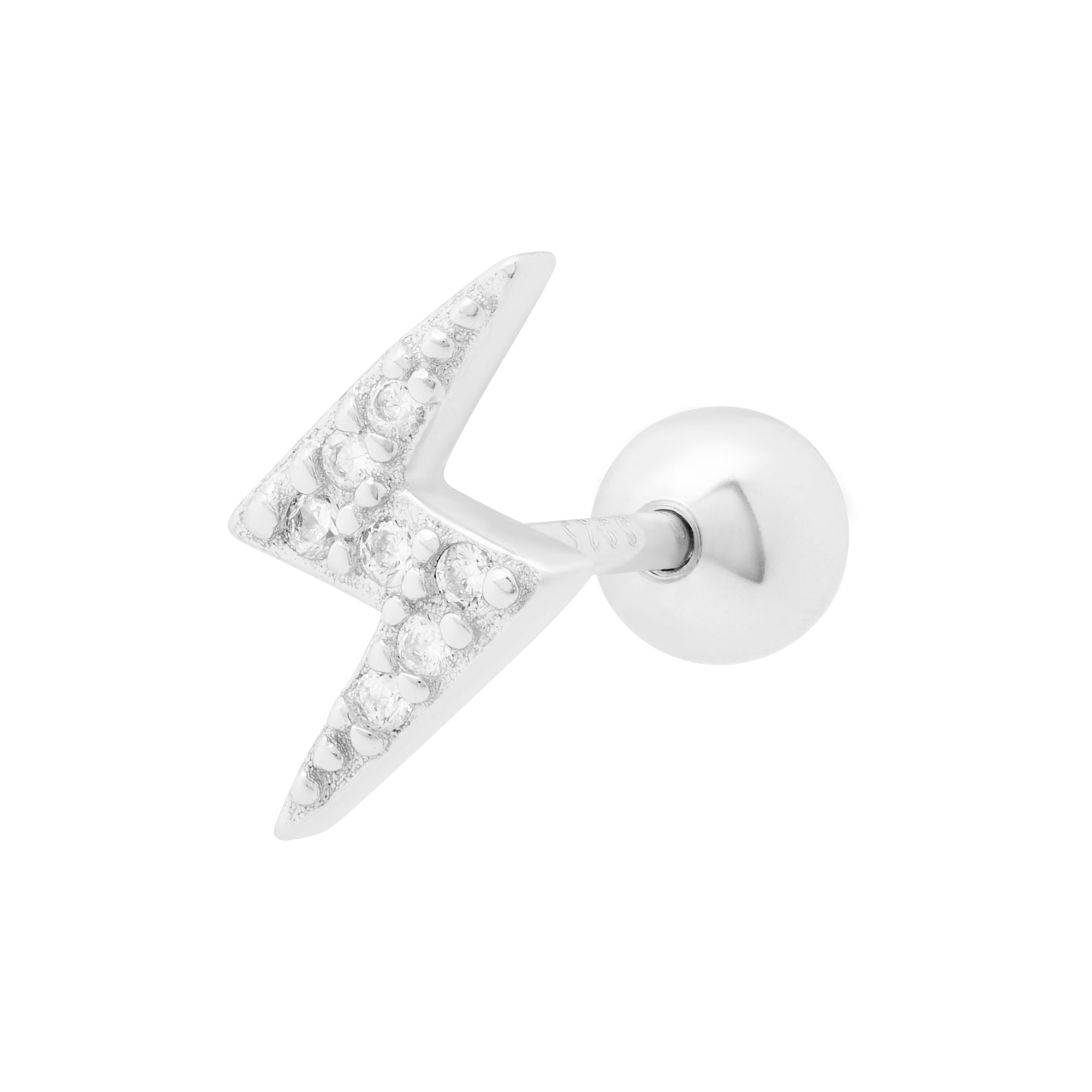
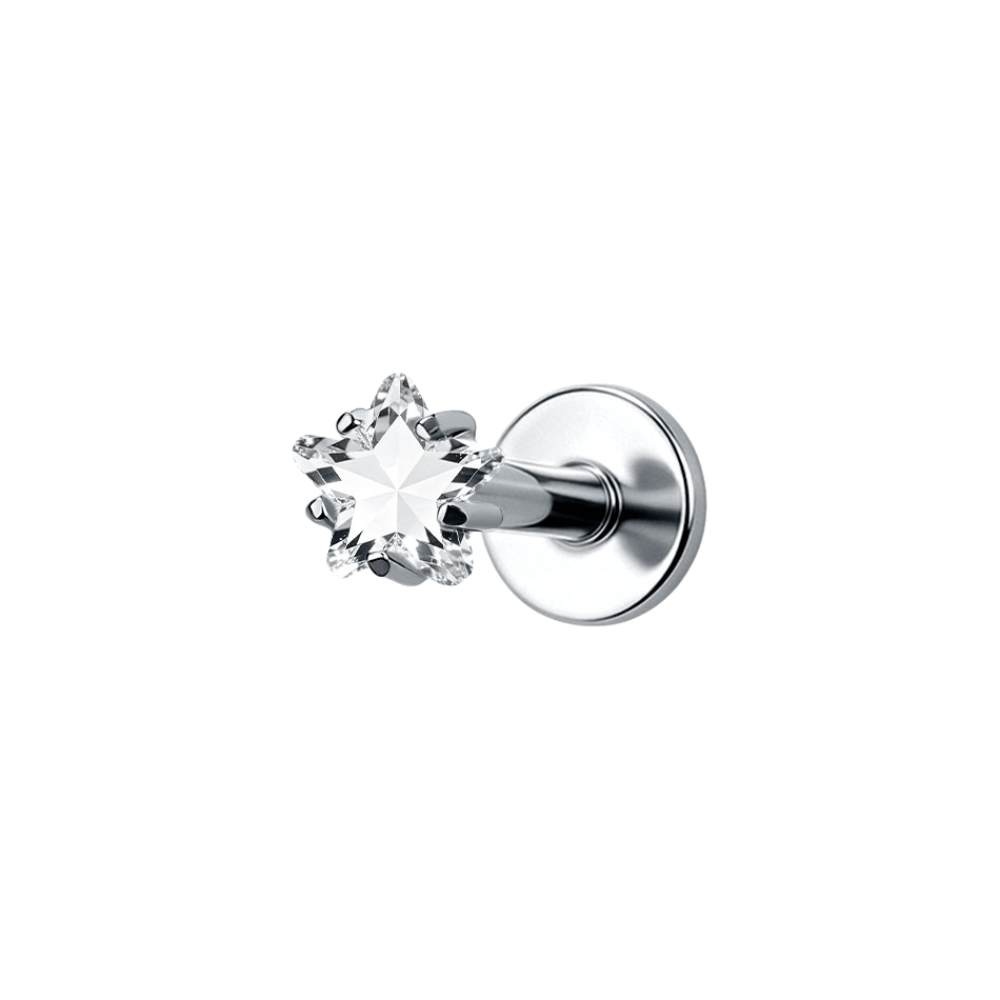
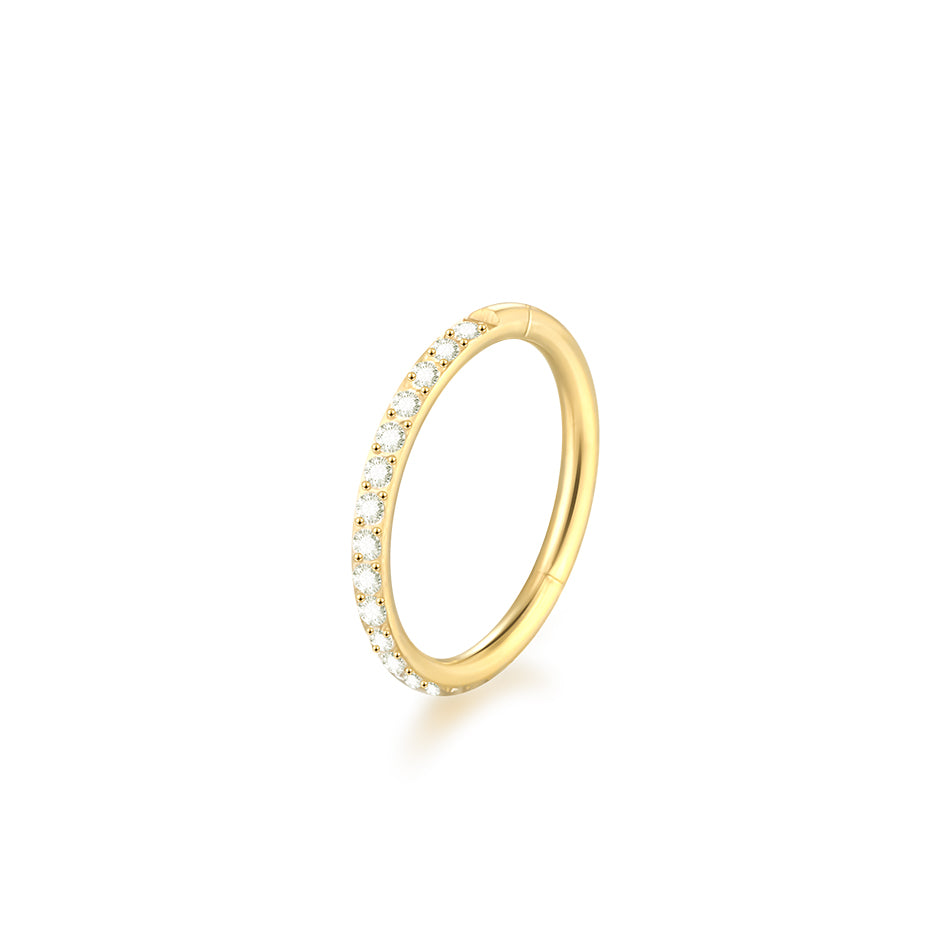
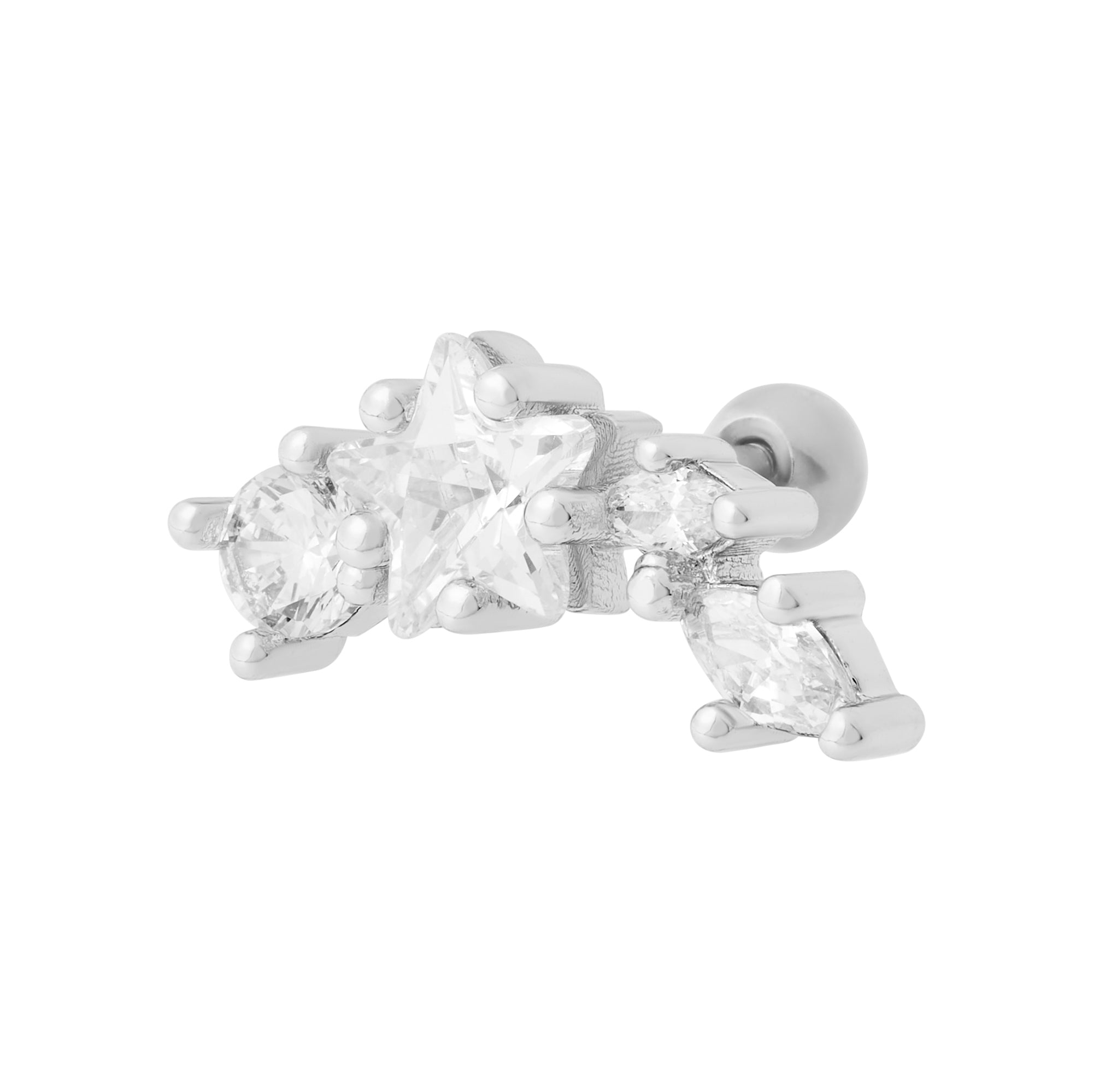
Jewellery type: Flat-back labret, cartilage hoop or barbell
Standard gauge: 1.2mm (16G)
Most popular Size Guide: Hoop 8mm, Studs 6-8mm depending on thickness of cartilage
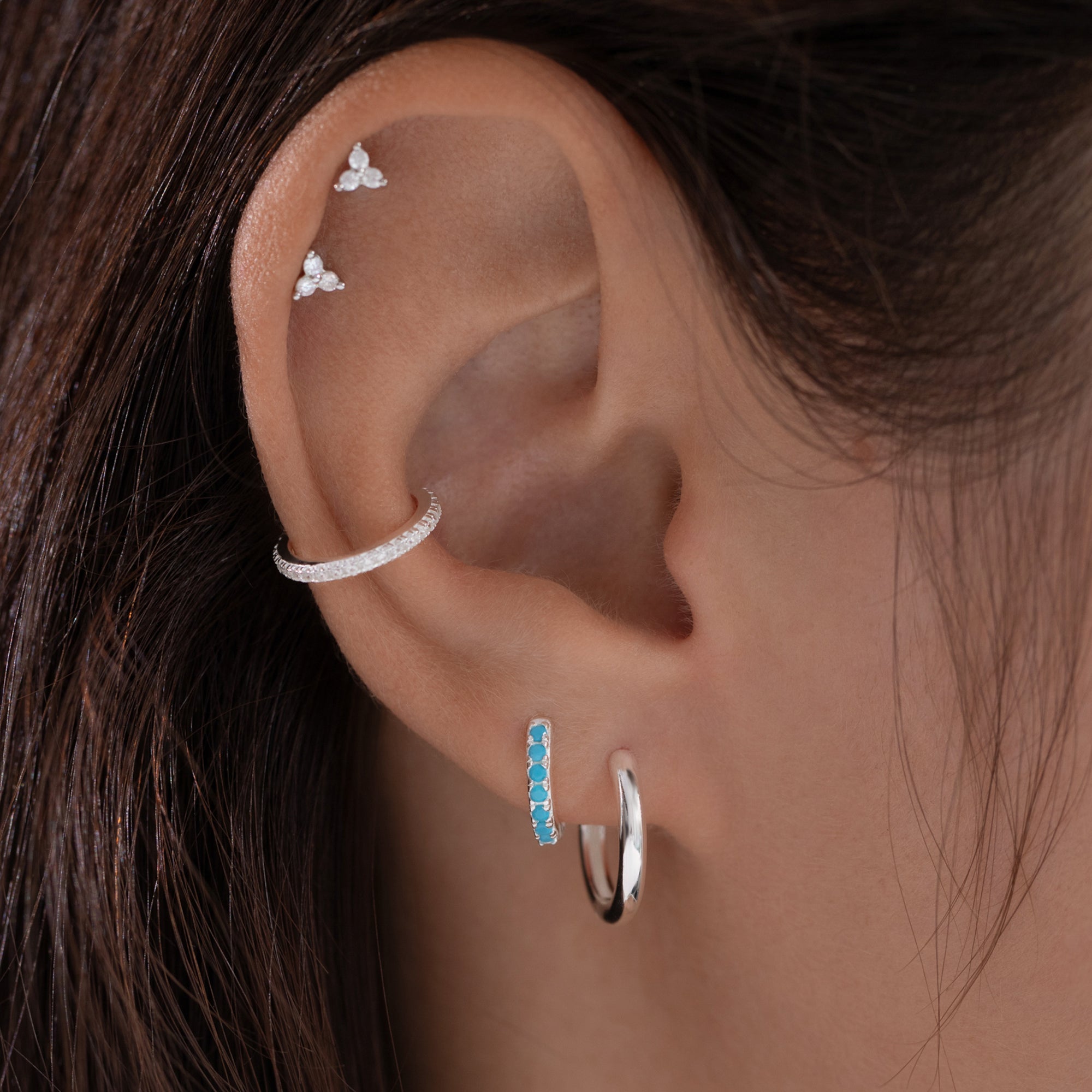
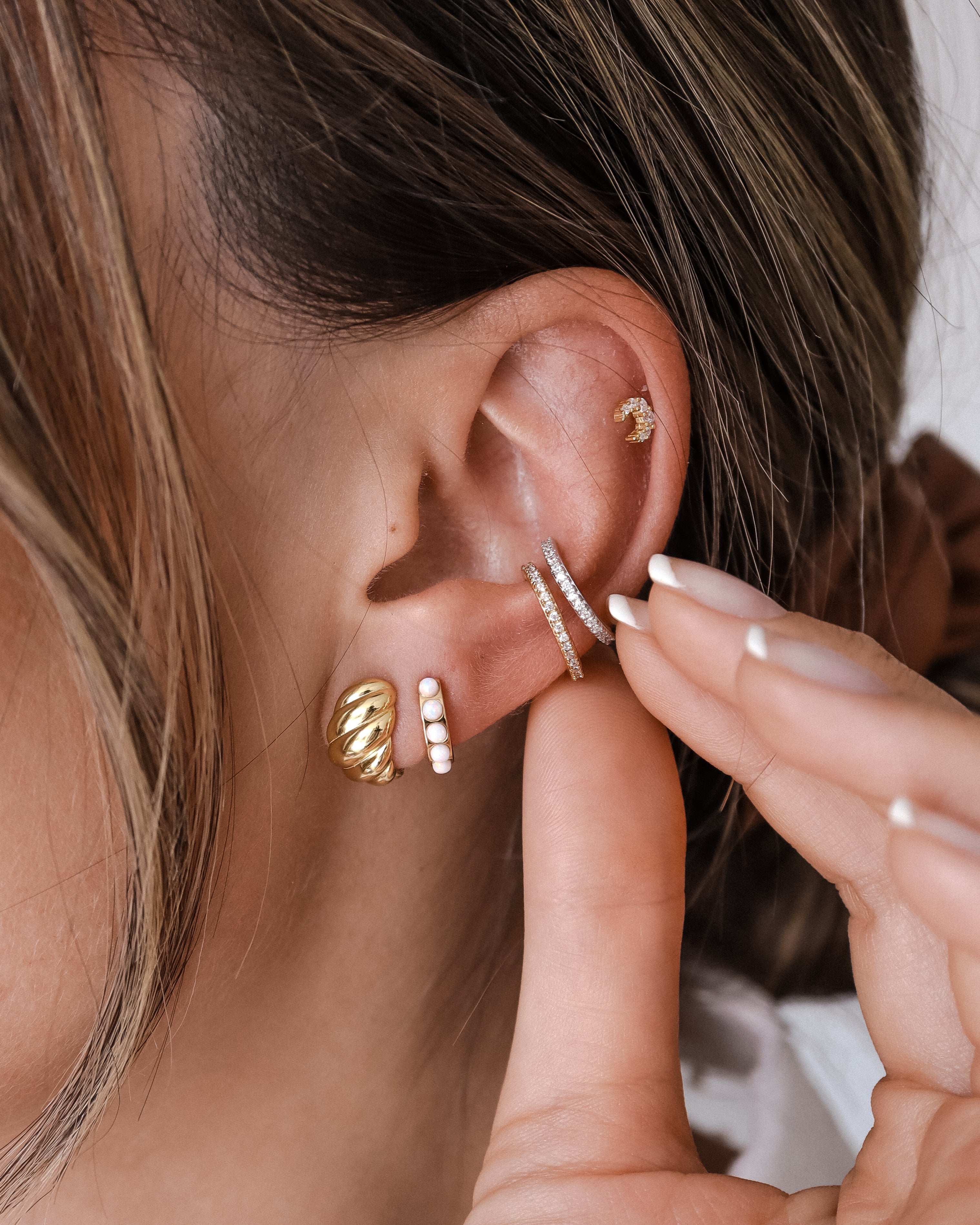
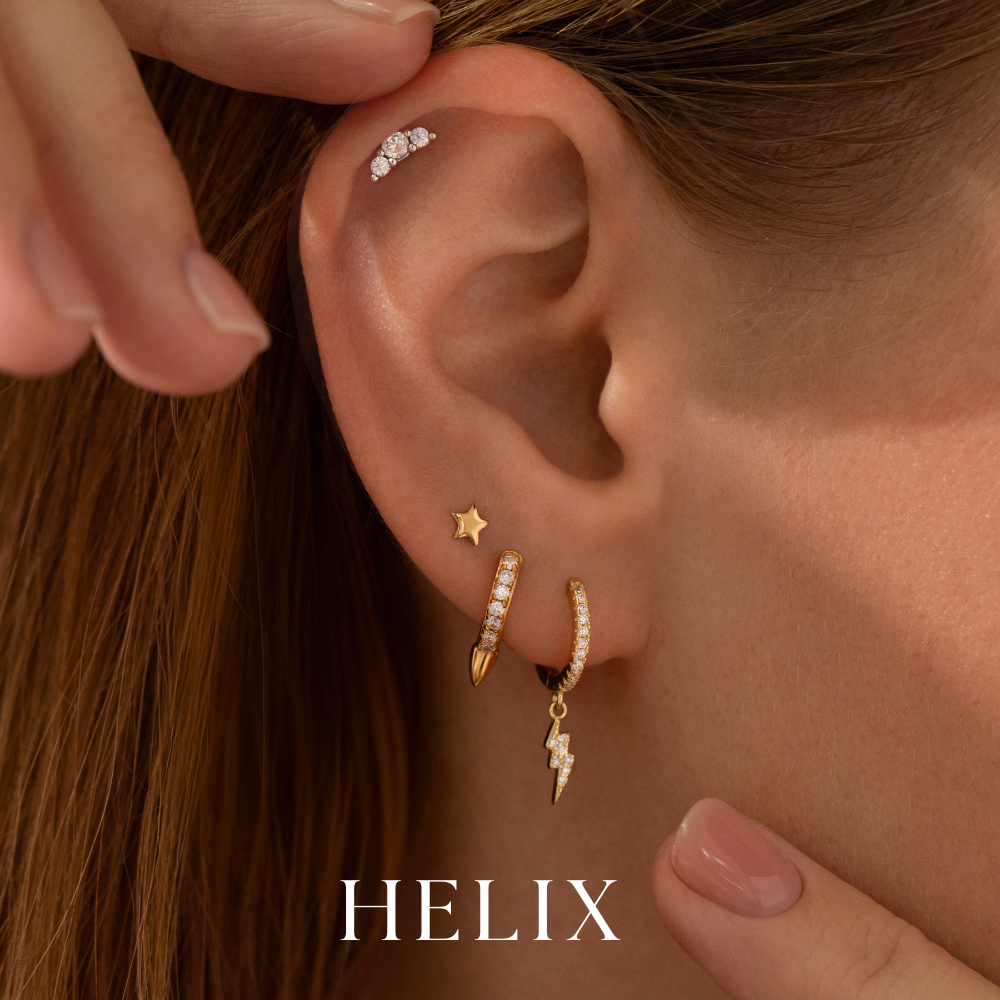
Helix piercings are one of the most popular cartilage piercings. Positioned along the outer rim of the ear, the helix offers excellent versatility and works with a wide range of jewellery styles once healed.
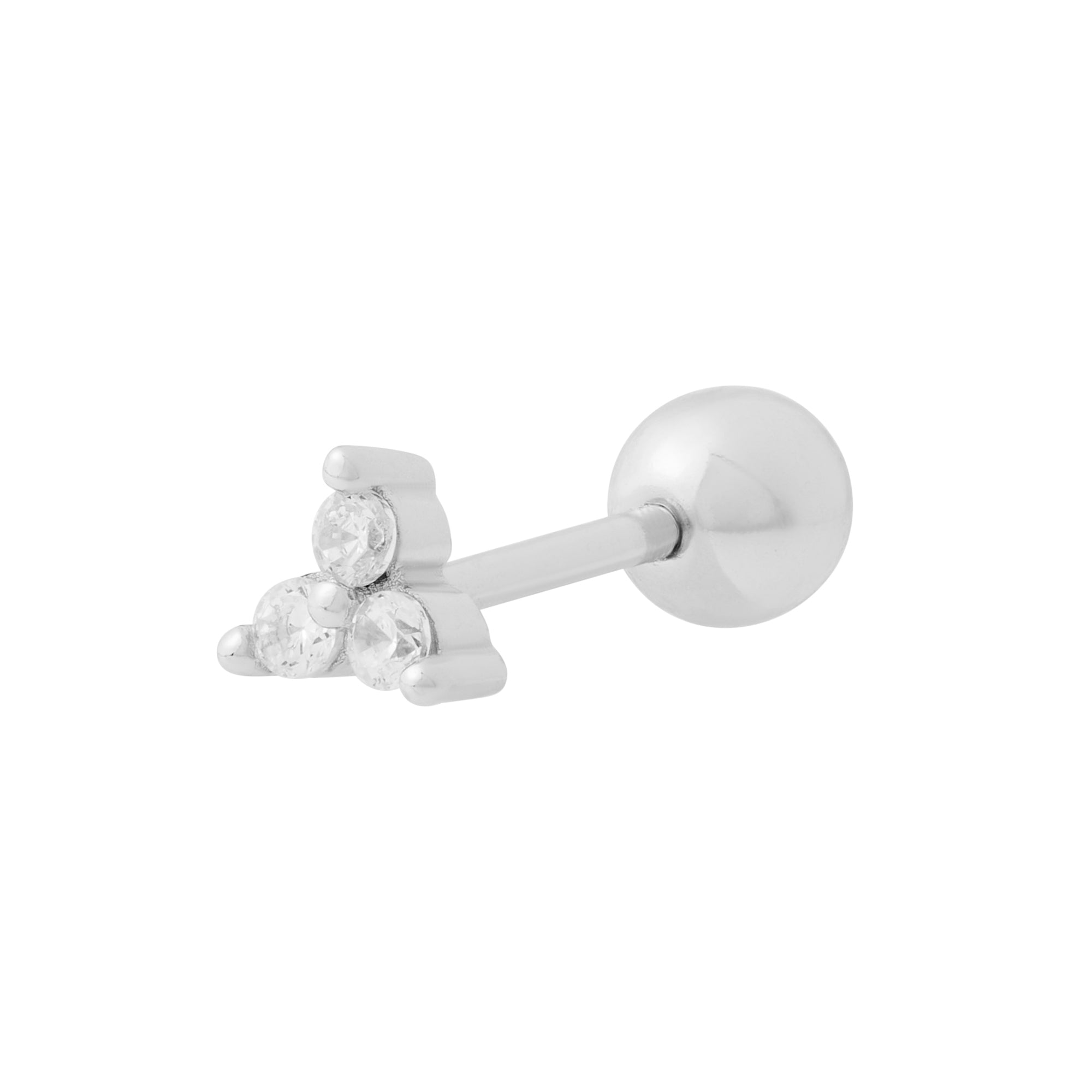
Helix piercings can be worn with flat-back studs, barbells or cartilage hoops, making them easy to adapt to different ear shapes and styling preferences.
Modern Helix Piercing Locations & Trends
High helix – Placed at the top of the ear for a subtle, elevated look
Mid helix – Positioned halfway up the cartilage for balance and versatility
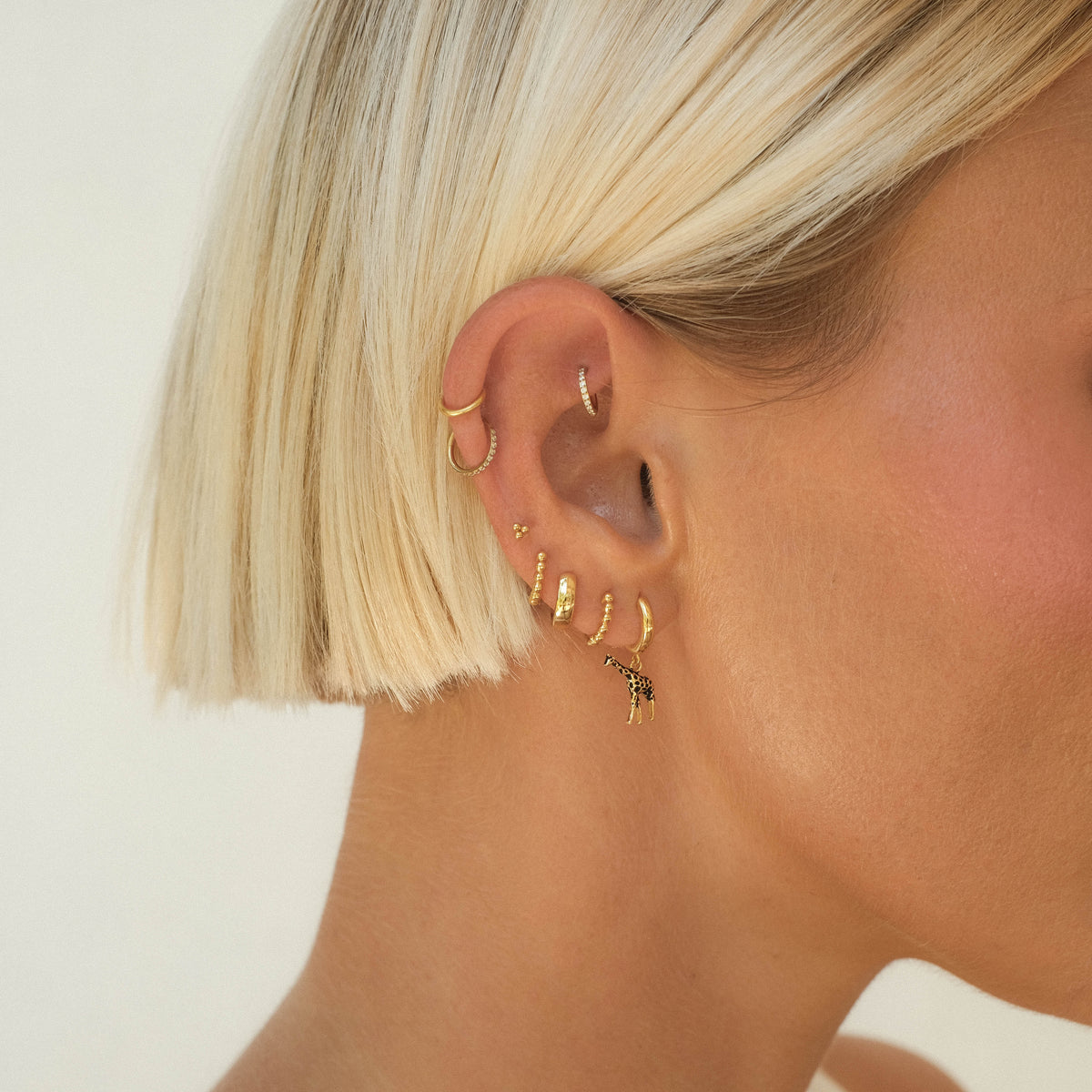
Double or triple helix – Two to three helix piercings stacked vertically or diagonally
Vertical helix – Pierced through the rim at the top of the cartilage for a bolder, statement placement
Hidden helix - Positioned just inside the upper fold of the ear, designed to discreetly showcase jewellery from the front while remaining concealed from the side.
FAQs
most frequently asked helix questions
Helix piercings are usually more uncomfortable than lobe piercings as they pass through cartilage. Most people describe the sensation as a quick pinch with pressure, followed by tenderness that settles over time.
As a guide, helix piercings typically take 6–9 months to heal, sometimes full healing can take up to 12 months. All anatomies are different.
Only change your jewellery once your piercing is fully healed. Changing too early can cause irritation, swelling and delayed healing. Consult your piercer if you are unsure.
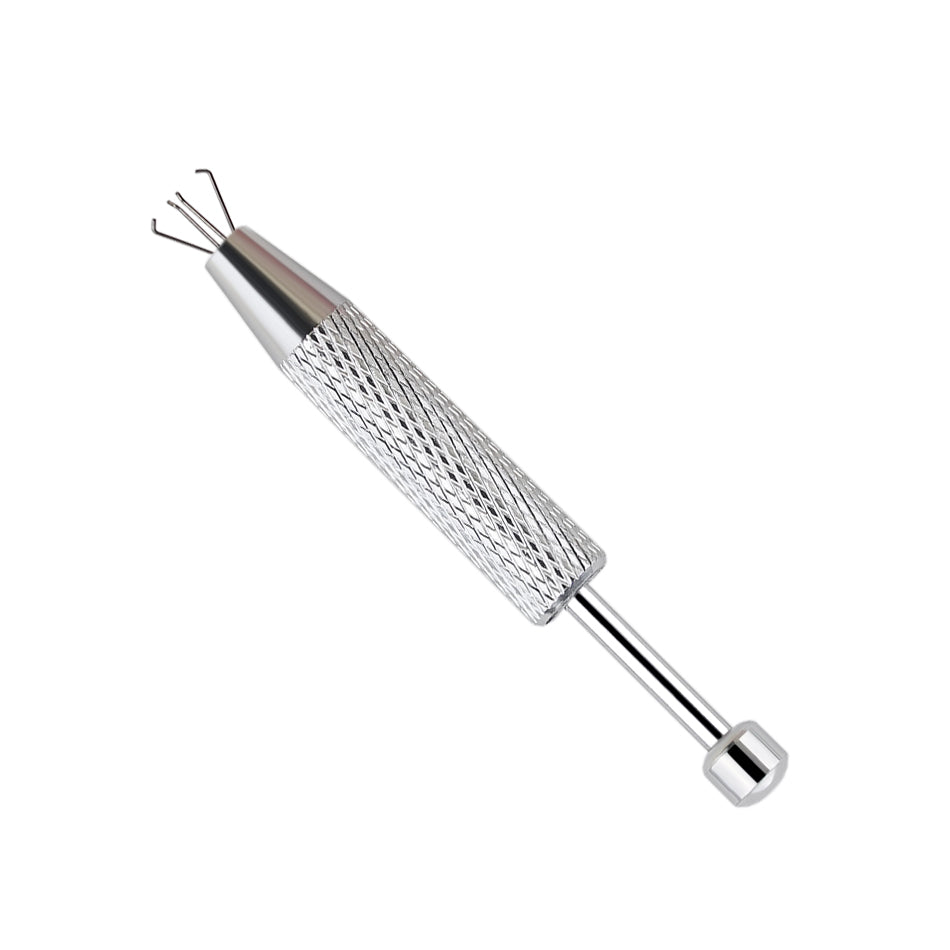
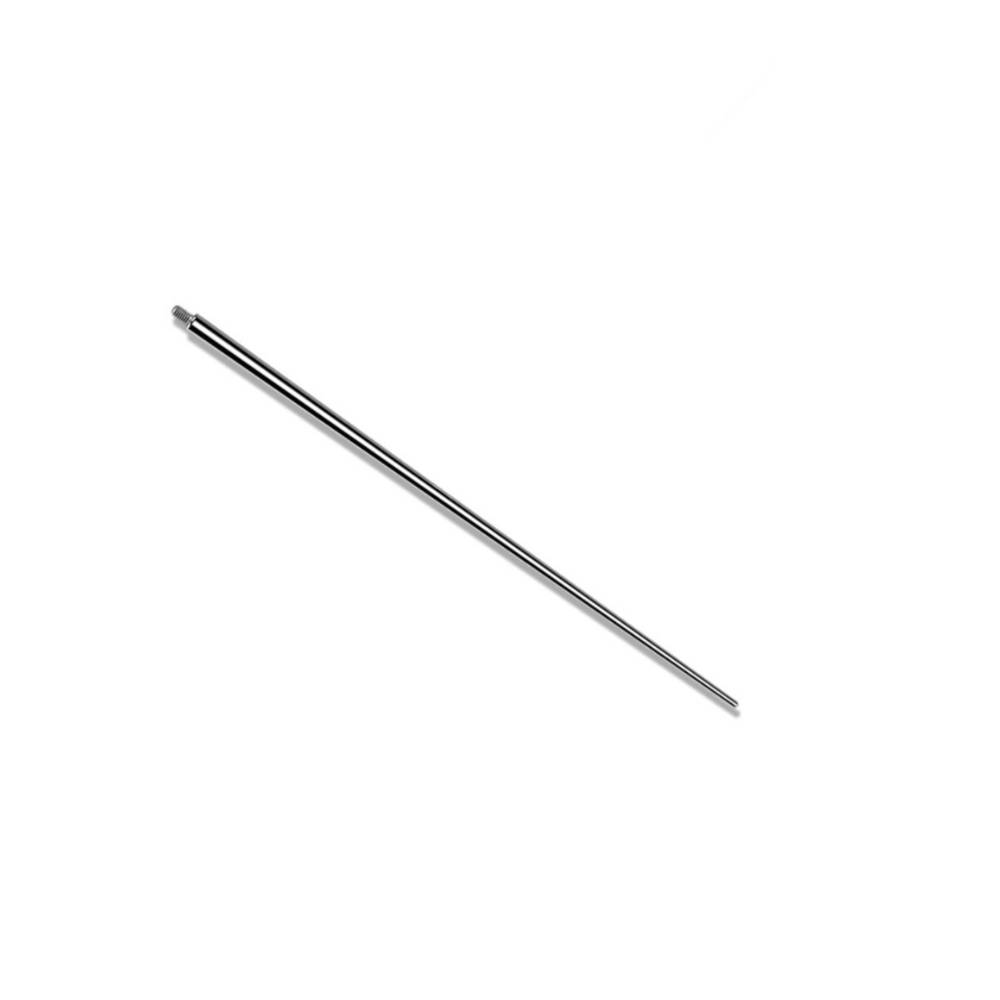
Helix piercings can be tricky to change, especially with flat-back studs. Using a piercing insertion tool or stud grabber can help guide the post through the piercing and securely attach the front without dropping it. These tools make jewellery changes quicker, easier and more hygienic.
Most helix piercings use:
Gauge: 1.2mm (16G)
Hoop size: 8mm (most popular), 6mm for a snug fit, 10mm for a looser style
Stud length: 6–8mm depending on cartilage thickness
Always consult your piercer if you are unsure.
A flat-back labret or small cartilage hoop made from ASTM F136 implant-grade titanium is best.
Featured collection
shop Helix Approved Jewellery